





Conveyor Belts and Conveyor Systems – Understanding the Difference in Industrial Applications. In industrial environments, the terms “conveyor belt” and “conveyor system” are often used interchangeably. Depending on regional language, habits, or context, these terms may refer to different things, which can lead to misunderstandings during technical discussions or equipment procurement. This article clarifies the difference between the two concepts, explains how they are used correctly, and helps you choose the right solution for your application.
Distinguishing Between “Conveyor Belt” and “Conveyor System”
Regional Terminology Differences
Northern Vietnam
In many northern regions, the term conveyor belt is commonly referred to as conveyor. Both terms mean the same thing and refer to a device used to transport goods (English term: conveyor).
Southern Vietnam and Standard Industrial Usage
In industrial terminology:
- Conveyor Belt: A single transport device consisting of a belt, frame, rollers, and motor.
- Conveyor System: A complete system made up of multiple conveyor belts connected together, often integrated with robots, sensors, sorting modules, PLCs, and automation software (English term: conveyor system).
Example: “PVC conveyor belt” → a single conveyor device. “Packaging conveyor system” → a complete automated line with multiple conveyors working together.
The Multiple Meanings of “Conveyor Belt”
Common Interpretation
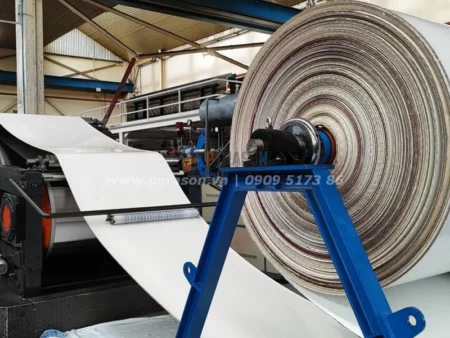
Most people understand “conveyor belt” as a complete mechanical unit, including:
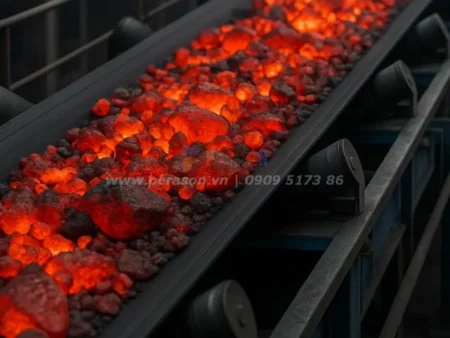
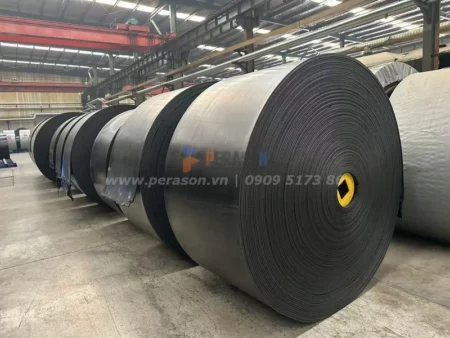
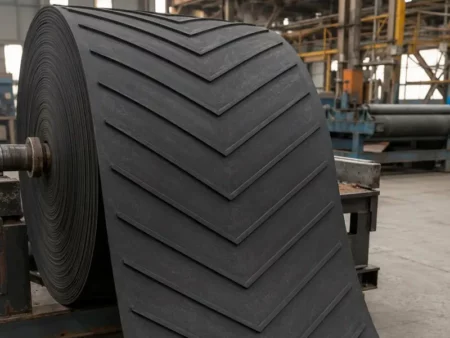
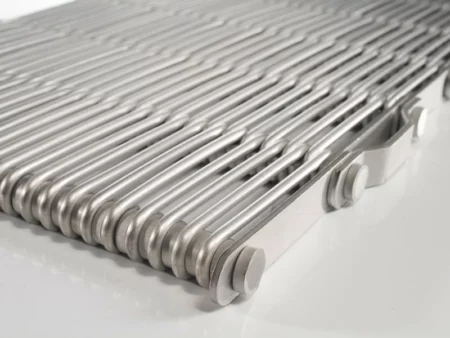
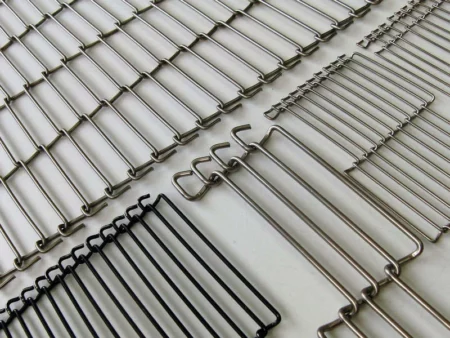
- Conveyor belt (PVC, PU, rubber, mesh, Teflon…)
- Conveyor frame
- Drive and idler rollers
- Motor, gearbox, and electrical control cabinet
For example, “PVC conveyor belt” is often interpreted as the entire conveyor using a PVC belt.
Common Misunderstanding
In some cases, “PVC conveyor belt” refers only to the belt material, not the entire conveyor. Without clarification, this can cause confusion when ordering parts or discussing technical specifications.
Comparison: Conveyor Belt vs. Conveyor System
Conveyor Belt
- A single transport device
- May refer to the belt itself or the entire unit
- Used for simple, one‑direction or bi‑directional transport
- Lower cost, easy installation
Conveyor System
- A complete system consisting of multiple conveyors
- Always refers to a full integrated system
- Suitable for automated production lines with multiple stages
- Higher investment, more complex design
Structure and Function of Each Type
Structure of a Conveyor Belt
A conveyor belt has a simple structure, typically including:
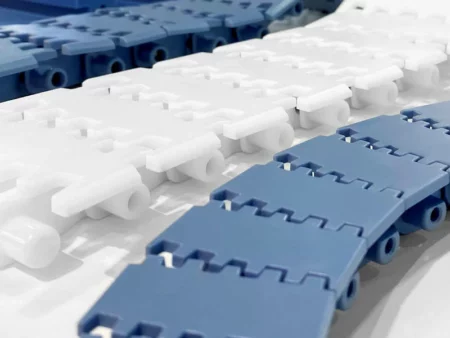
- Belt material: PVC, PU, rubber, metal mesh, Teflon
- Rollers: Support and guide belt movement
- Drive motor: Provides pulling force
- Frame: Steel, stainless steel, or aluminum profile
Structure of a Conveyor System
A conveyor system is more complex and includes:
- Multiple conveyors connected in sequence
- Robotic arms, sensors, sorting modules
- PLC control, inverters, automation software
- Additional automation modules depending on the process
Practical Applications
Applications of Conveyor Belts
- Transporting components, packaging, finished goods
- Moving food products through processing and packaging stages
- Warehouse transport: moving goods between floors or loading areas
- Simple assembly lines
Applications of Conveyor Systems
- Automotive and electronics assembly lines
- Logistics sorting centers
- Fully automated factories with robotic integration
- High‑speed packaging and inspection lines
How to Choose Between a Conveyor Belt and a Conveyor System
Choose a Conveyor Belt When:
- You need simple, one‑direction transport
- The process is not complex
- Budget is limited
- Only one standalone device is required
Choose a Conveyor System When:
- You need automation across multiple stages
- The process requires coordination between several devices
- You aim to increase productivity and reduce labor
- You have the budget for a larger investment
Advice and Conclusion
To avoid confusion, always:
- Clarify the context when using the terms “conveyor belt” or “conveyor system”
- Confirm with suppliers whether you need a single conveyor or a complete system
- Base your decision on actual operational needs, budget, and improvement goals
If you need an efficient material‑handling solution, contact the engineering team at PERASON Conveyor. We provide:
- Standalone conveyor belts
- Fully automated conveyor systems
- Custom design – manufacturing – installation
- Conveyor parts and accessories
- 24/7 technical support
PERASON Conveyor – The optimal transport solution for every industrial sector.